Archives
- 2026-07
- 2026-06
- 2026-05
- 2026-04
- 2026-03
- 2026-02
- 2026-01
- 2025-12
- 2025-11
- 2025-10
- 2025-02
- 2025-01
- 2024-12
- 2024-11
- 2024-10
- 2024-09
- 2024-08
- 2024-07
- 2024-06
- 2024-05
- 2024-04
- 2024-03
- 2024-02
- 2024-01
- 2023-12
- 2023-11
- 2023-10
- 2023-09
- 2023-08
- 2023-07
- 2023-06
- 2023-05
- 2023-04
- 2023-03
- 2023-02
- 2023-01
- 2022-12
- 2022-11
- 2022-10
- 2022-09
- 2022-08
- 2022-07
- 2022-06
- 2022-05
- 2022-04
- 2022-03
- 2022-02
- 2022-01
- 2021-12
- 2021-11
- 2021-10
- 2021-09
- 2021-08
- 2021-07
- 2021-06
- 2021-05
- 2021-04
- 2021-03
- 2021-02
- 2021-01
- 2020-12
- 2020-11
- 2020-10
- 2020-09
- 2020-08
- 2020-07
- 2020-06
- 2020-05
- 2020-04
- 2020-03
- 2020-02
- 2020-01
- 2019-12
- 2019-11
- 2019-10
- 2019-09
- 2019-08
- 2019-07
- 2019-06
- 2019-05
- 2019-04
- 2018-07
-
Compounds and possessed relatively low clogP values and tend
2020-01-25
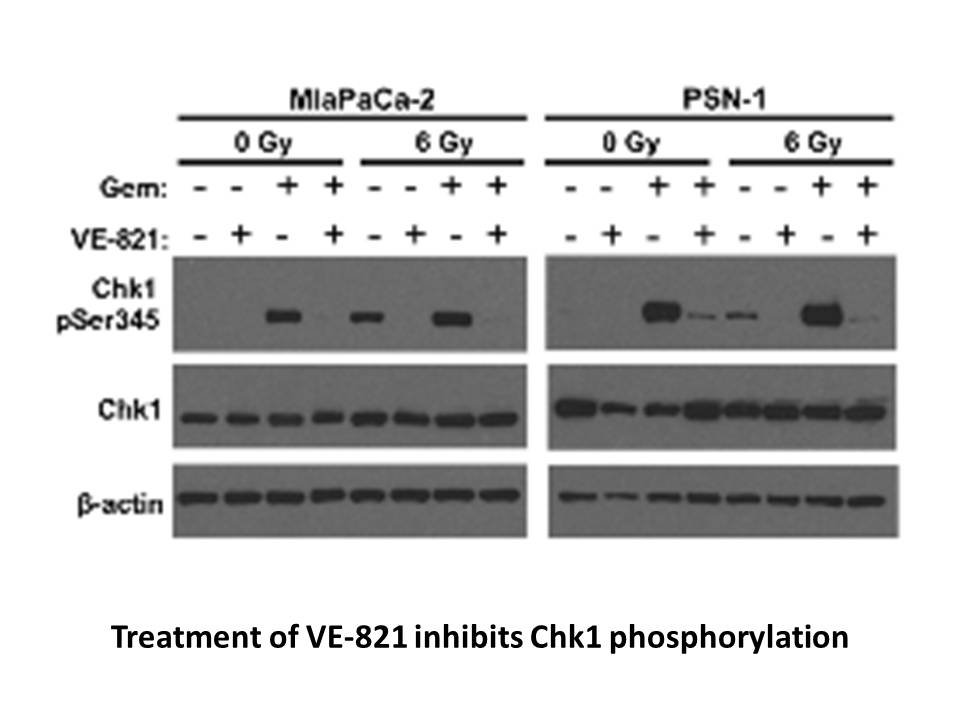
Compounds 11–13 and 15 possessed relatively low clogP values and tended to show relatively weak antagonist activity regardless of their potent EP1 receptor affinity. Compounds 2–4, which were selected based on their potent in vivo antagonist activity, were found to be effective in an animal model.
-
Several studies highlighted the potential of EOCs to promote
2020-01-25
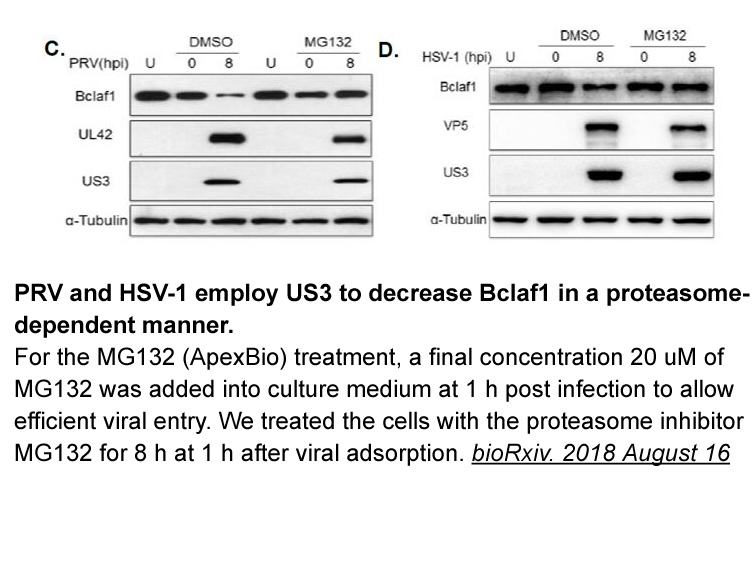
Several studies highlighted the potential of EOCs to promote adverse effects on aquatic organisms. It was reported the toxicity of BPA to invertebrates and fish, and the effect of lipophilicity on toxicity was analyzed (Mathieu-Denoncourt et al., 2016). There was reported the effects of PPCPs on aqu
-
The glycolytic pathway is a catabolic route that ends
2020-01-25
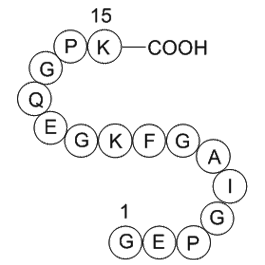
The glycolytic pathway is a catabolic route that ends with the synthesis of pyruvate (Pyr). In Arabidopsis embryos, the conversion of phosphoenolpyruvate (PEP) to Pyr, catalyzed by pyruvate kinase (PK), is mainly located in the plastids [10], [11]. The preceding reaction is catalyzed by enolase (ENO
-
br The classical ubiquitination pathway Ubiquitination is an
2020-01-25

The classical ubiquitination pathway Ubiquitination is an enzymatic process that involves the addition of an ubiquitin protein to a substrate that usually becomes inactivated followed by degradation in the proteasome; however, several other functions have also been described. For the discovery of
-
A summary of the drug
2020-01-25
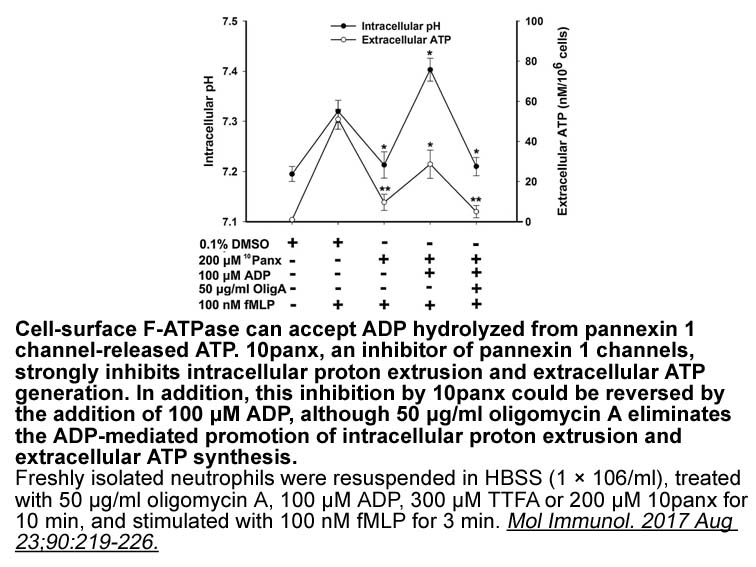
A summary of the drug-CDK2/6/9 hydrophobic (Φ), hydrogen-bonding (H), and polar-bonding (P) interactions based upon the KLIFS residue numbers is provided in Table 5. The KLIFS system gives comparable residues from different calpain inhibitor 1 the same value [77], which facilitates comparisons among
-
All tested antibodies exhibited positive immunoreactivity in
2020-01-25
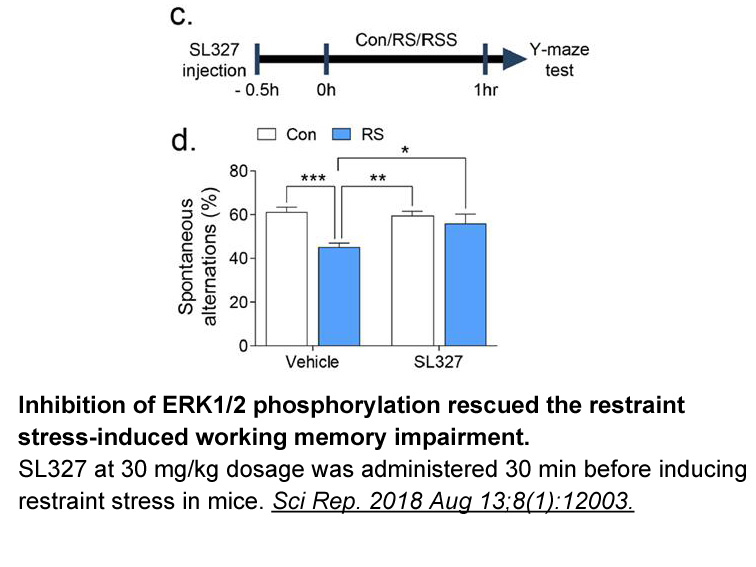
All tested Oseltamivir phosphate australia exhibited positive immunoreactivity in NSCLC tumors, with N’-epitope being the less expressed (both as overall positivity and number of positive cases, or intensity combined with number of positive cells, as provided by H-Score. This result is in accordanc
-
br Results br Discussion Many studies have shown that
2020-01-25
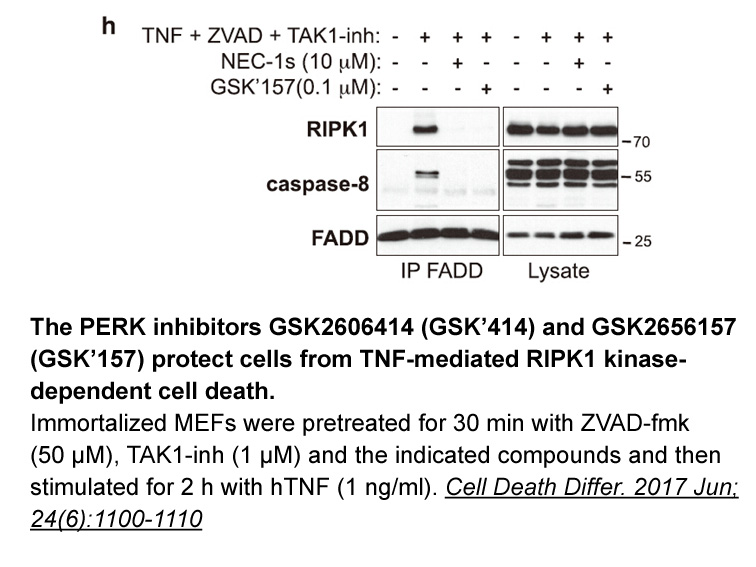
Results Discussion Many studies have shown that intrinsic properties of the E2 enzyme govern the nature of the Ub modification, including both the multiplicity of the Ub modification and the specific Apatinib type in the case of polyubiquitin chains [3], [4], [9], [14]. Whereas previous studie
-
The optimization of the lead
2020-01-23
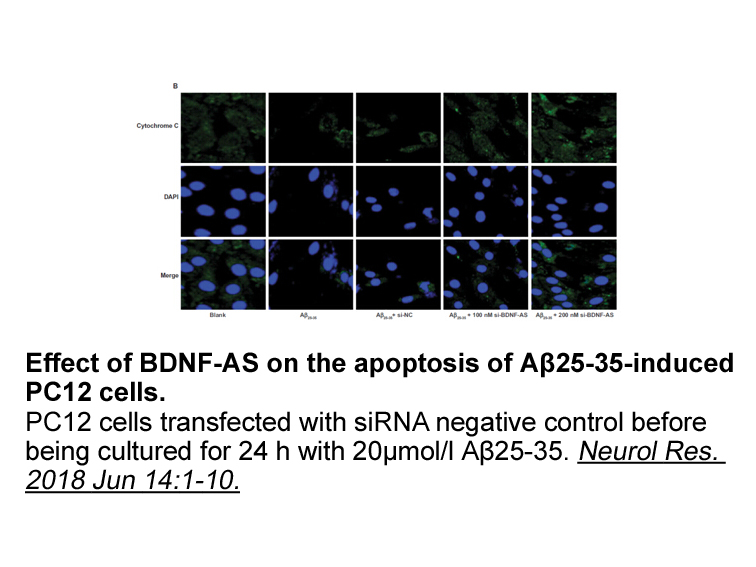
The optimization of the lead compound () was initiated and the initial key SAR and the results of the structural modifications of lead compound are summarized in . Replacement of the carboxylic Nitrendipine moiety with other functional groups led to loss of functional activity against EP4 receptor
-
MicroRNA miRNA is a class of highly
2020-01-23
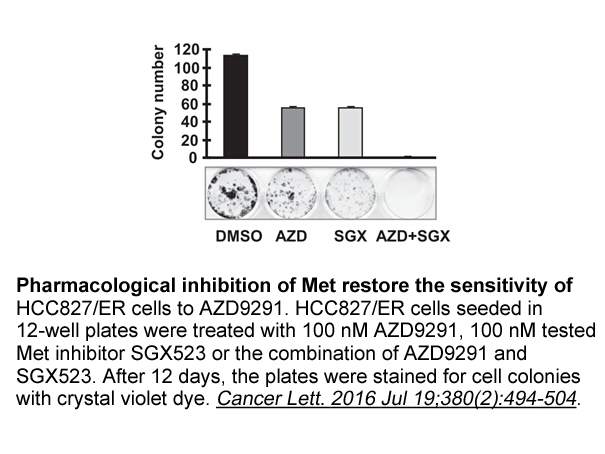
MicroRNA (miRNA) is a class of highly conserved, non-coding small molecules containing 19–25 nucleotides. miRNAs are involved in the regulation of genes associated with cancer development and progression and therefore can act as oncogenes, by contributing to tumor formation,17, 18 or as tumor suppre
-
The component E of PDHc
2020-01-23

The component E1 of PDHc (PDHc-E1) catalyzes the first step of multistep processes, using thiamine diphosphate (ThDP) and Mg2+ as cofactors.15, 16 Especially, this PDHc-E1 catalyzed process is a rate limiting step among multistep processes. Accordingly, the PDHc should be inactive by inhibiting the
-
It was reported that the expressions
2020-01-23
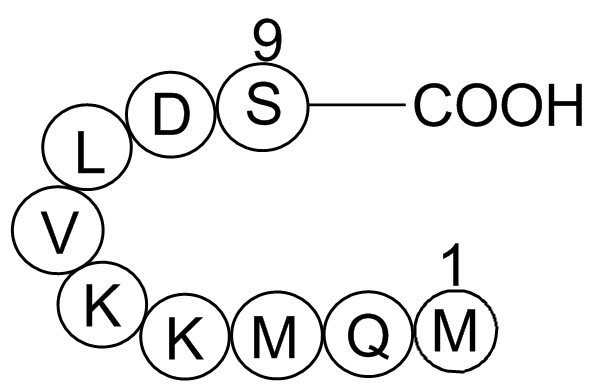
It was reported that the expressions of DPP-4 and SDF-1α increase through HIF-1α [27], [28]. Myocardial ischemia by MI enhanced the DPP-4 and SDF-1α levels in myocardium in the present study. SDF-1α is released from cardiomyocytes and has beneficial effects on cardiomyocytes through SDF-1α/CXCR4 aft
-
KT203 br DDR mediated signaling DDRs initiate signaling path
2020-01-22
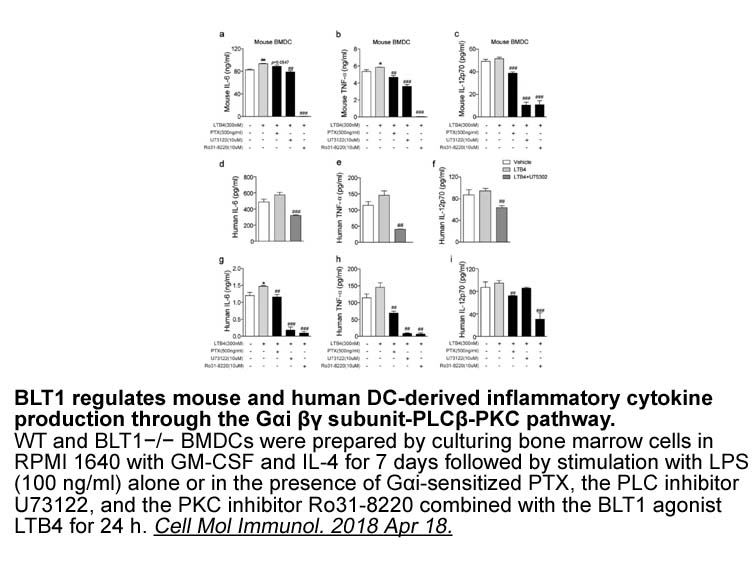
DDR-mediated signaling DDRs initiate signaling pathways in a context and cell type-dependent manner. For instance, DDR1 was reported to activate ERK in vascular smooth muscle KT203 (Lu et al., 2011), to inhibit ERK in mesangial cells (Curat and Vogel, 2002), and to have no effect on ERK activati
-
From these and other studies it is
2020-01-22
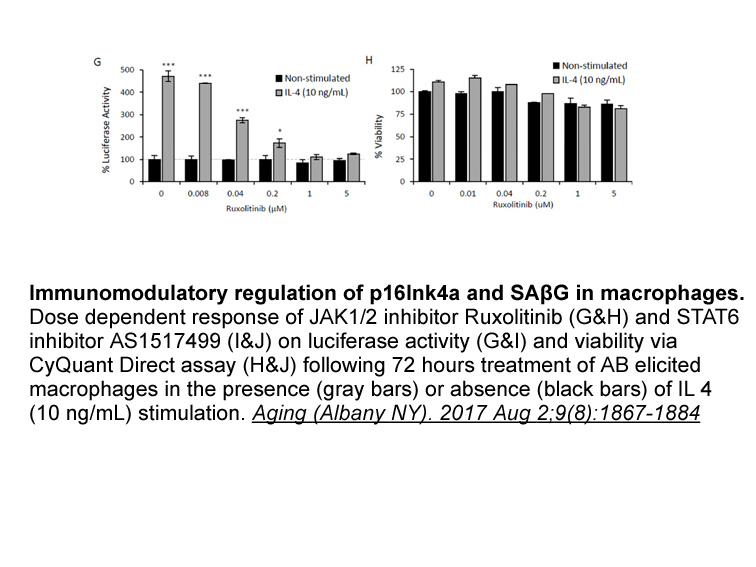
From these and other studies, it is clear that acriflavine is an interesting survivin (baculoviral IAP repeat-containing protein 5) (21-28) with pleiotropic anticancer effects [21], [22], [43]. Its past systemic use in the clinical setting as an antibiotic without any major toxicity reported encour
-
Olomoucine br Cytokine impact on ILC fate Increasing evidenc
2020-01-22

Cytokine impact on ILC fate Increasing evidence shows that ILC2 and ILC3 may convert into ILC1-like Olomoucine by downregulating either GATA3 or RORγt, respectively, upregulating T-bet and gaining the capacity for IFN-γ production [60,61]. This process, often referred to as ‘ILC plasticity’, may
-
Regardless of its effect on EBV infection the chemokine
2020-01-22
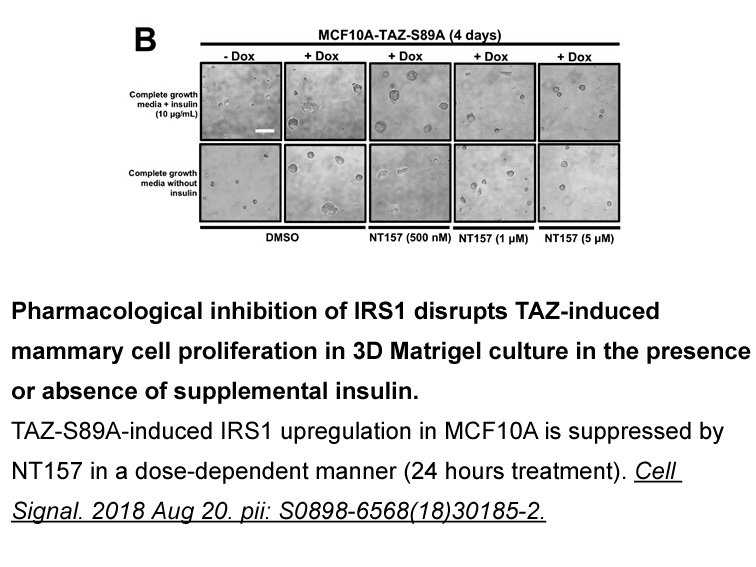
Regardless of its effect on EBV infection, the chemokine system has been found to be regulated in both nasopharyngeal cancer and Hodgkin lymphoma. As such, Hodgkin and Reed–Sternberg (HRS) cells from Hodgkin lymphoma and nasopharyngeal carcinoma cells have been shown to express CXCL8 and CCL17. Furt
15852 records 900/1057 page Previous Next First page 上5页 896897898899900 下5页 Last page