Archives
- 2026-10
- 2026-09
- 2026-08
- 2026-07
- 2026-06
- 2026-05
- 2026-04
- 2026-03
- 2026-02
- 2026-01
- 2025-12
- 2025-11
- 2025-10
- 2025-02
- 2025-01
- 2024-12
- 2024-11
- 2024-10
- 2024-09
- 2024-08
- 2024-07
- 2024-06
- 2024-05
- 2024-04
- 2024-03
- 2024-02
- 2024-01
- 2023-12
- 2023-11
- 2023-10
- 2023-09
- 2023-08
- 2023-07
- 2023-06
- 2023-05
- 2023-04
- 2023-03
- 2023-02
- 2023-01
- 2022-12
- 2022-11
- 2022-10
- 2022-09
- 2022-08
- 2022-07
- 2022-06
- 2022-05
- 2022-04
- 2022-03
- 2022-02
- 2022-01
An important difference between glucokinase and the other he
2022-08-29

An important difference between glucokinase and the other hexokinases is that it has a much lower affinity for glucose, such that it is not saturated at physiological blood glucose concentrations (Wilson, 1995, Wilson, 1997, Wilson, 2003, Wilson, 2004, Cárdenas et al., 1998). In addition, glucokinas
br Introduction Maintaining blood glucose
2022-08-29
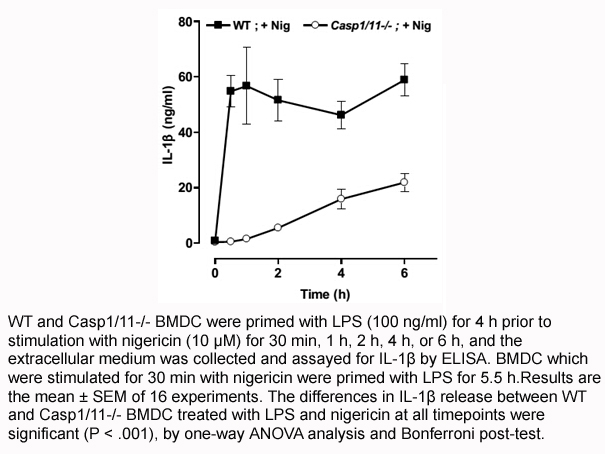
Introduction Maintaining blood glucose within an appropriate range is crucial for survival. In diabetes, those who suffer episodes of severe hypoglycemia have an increased risk of death [1], [2]. The Tirapazamine is especially dependent on an adequate, continuous supply of circulating glucose to
Initially we carried out gap FRAP experiments using
2022-08-29

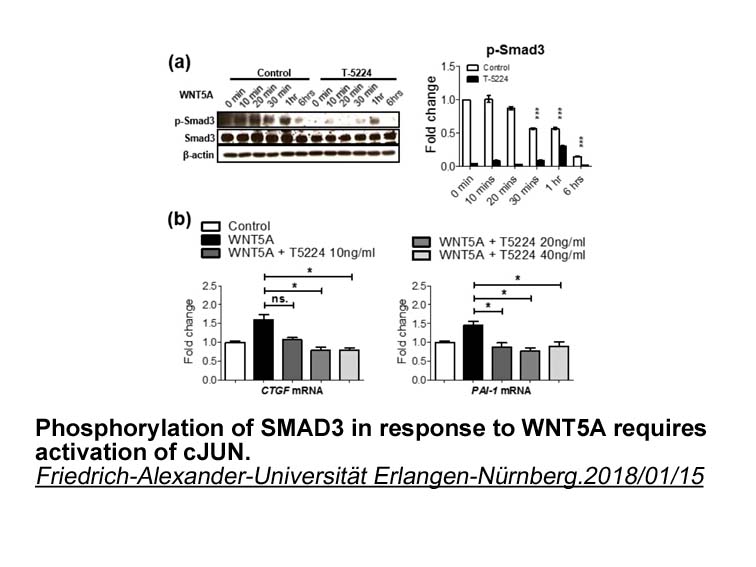
Initially, we carried out gap-FRAP experiments using the two-photon configuration of the confocal microscope. A SR101-positive astrocyte was targeted and a 5 × 5 μm square area was exposed to a laser illumination (5 flashes of 5 s each during 25 s). This procedure resulted in a bleaching of this ast
The present study demonstrates that SNAP exhibits
2022-08-29
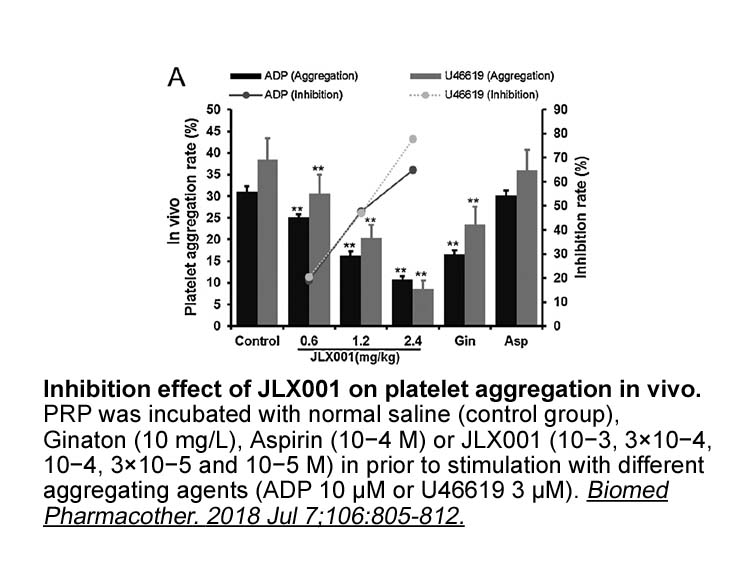
The present study demonstrates that SNAP 37889 exhibits a toxic effect to these specific cell types, which is independent of endogenous expression of GAL receptor subtypes and leads to apoptosis. This conclusion is based on our findings that, although HMCB, HL-60 and SH-SY5Y cell lines differ in GAL
br Summary br Conflict of interest br Acknowledgments
2022-08-29
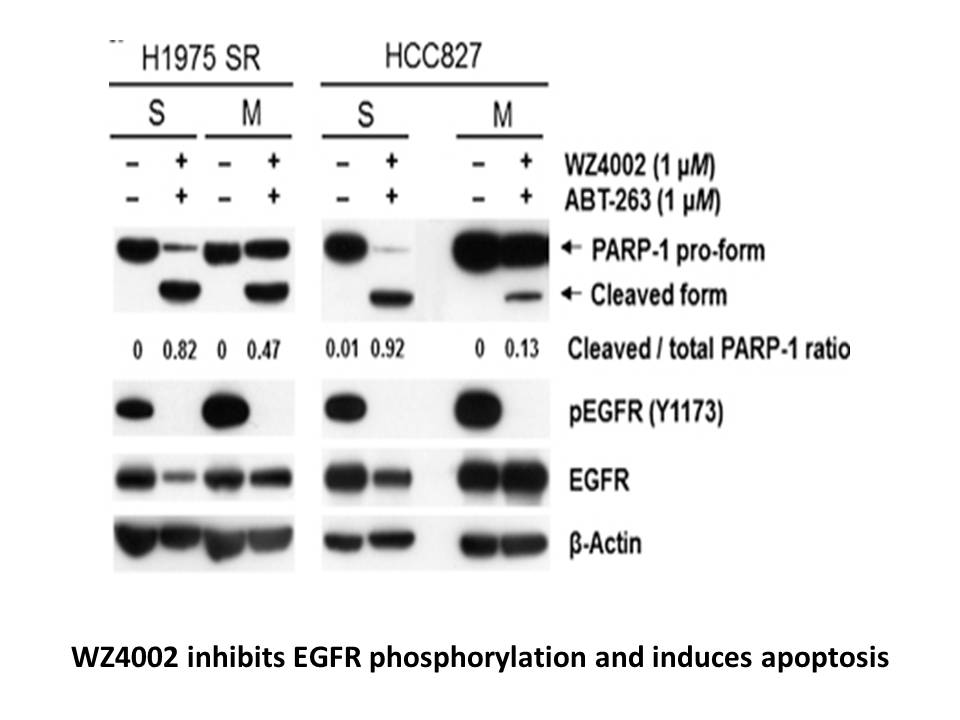
Summary Conflict of interest Acknowledgments This study was supported by Grant No. 2014/13/B/NZ7/02277 from the National Science Centre, Poland. Introduction Progesterone (P) is an anticonvulsant hormone (Backstrom et al., 1984, Herzog, 1995, Herzog, 1999, Frye et al., 2000, Reddy, 2002
br Introduction A great many
2022-08-29
Introduction A great many isoprenoids with varieties of structural diversity, such as steroids, carotenoids, prenyl quinones, and natural rubber, occur in nature. All of these biosynthetic precursors are constructed by the action of prenyl chain elongating enzymes [1], [2], [3], [4]. These enzyme
Histone demethylases are involved in the transcriptional out
2022-08-26
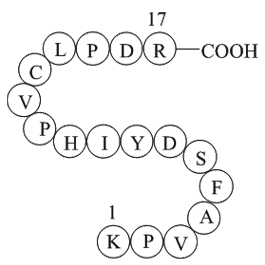
Histone demethylases are involved in the transcriptional output of the AR and hypoxia signaling pathways, and thus contribute to prostate cancer development [12]. For example, the histone demethylase KDM3A serves as a transcriptional coactivator of HIF1α and AR in regulation of their target genes [1
The comparatively low number of H R agonists
2022-08-26
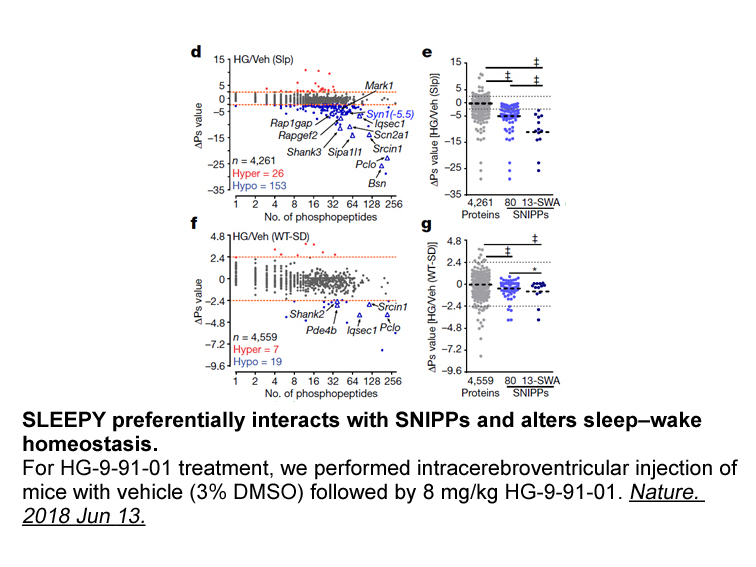
The comparatively low number of H1R agonists is contrasted by the high number of diverse H1R antagonists. Based on pharmacological classification, they are grouped into different generations by considering their target as well as side effects profile. The first generation “antihistamines” consist of
Surface enhanced Raman spectroscopy SERS is one of the
2022-08-26

Surface-enhanced Raman spectroscopy (SERS) is one of the most powerful and ultra-sensitive analytical tools, which has been widely applied to food security analysis and many other fields (Craig, Franca, & Irudayaraj, 2013; Gukowsky, Xie, Gao, Qu, & He, 2018; Qi et al., 2013; Zhang et al., 2015). For
The analytical approach for the simultaneous determination o
2022-08-26
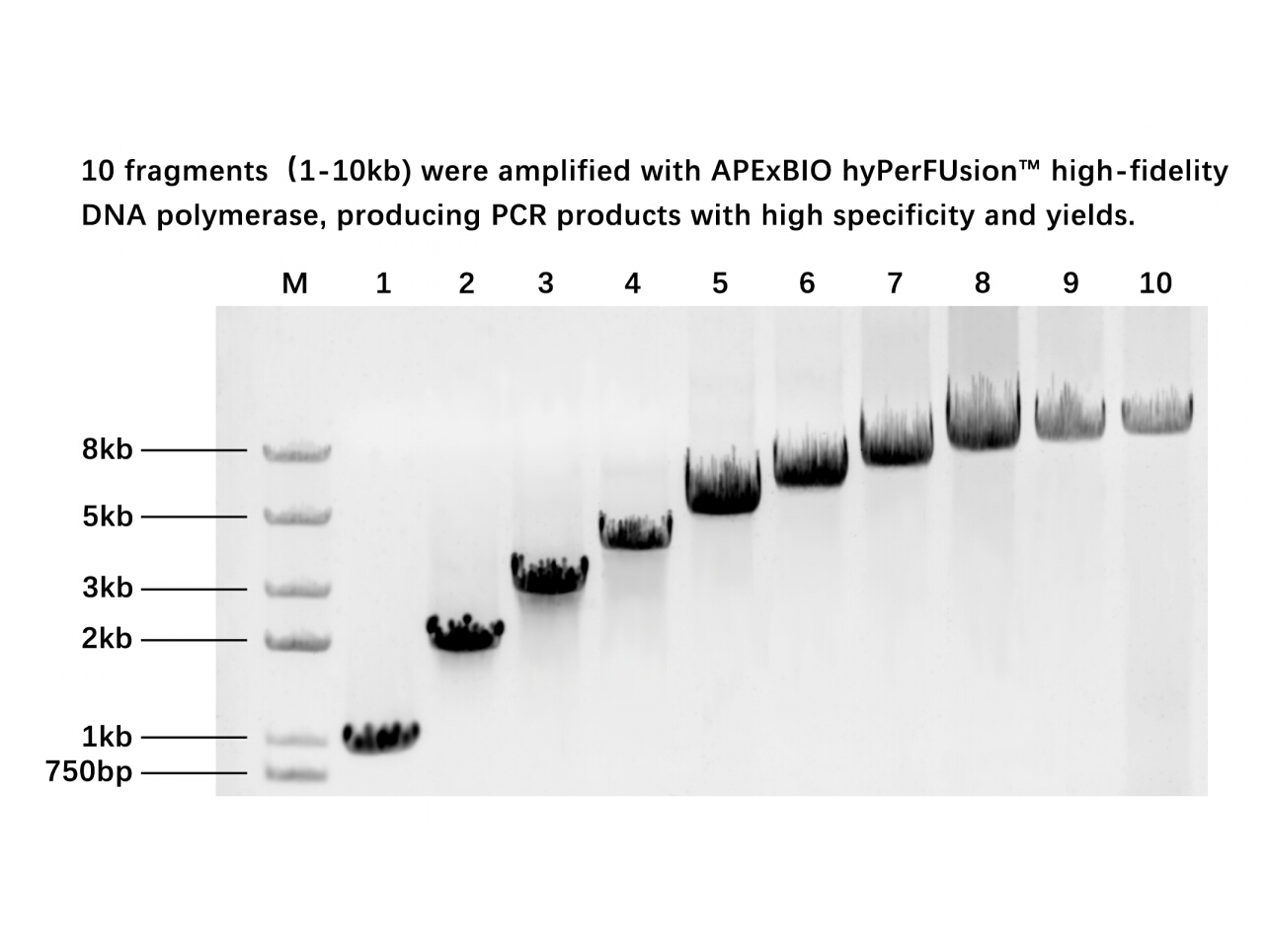
The analytical approach for the simultaneous determination of HA and its metabolites is complex. There are commercial kits that allow the determination of HA through ELISA and of its metabolites through radioimmunoassay (RIA) techniques. However, these immunological-based techniques do not allow sim
The electroconductive or electrocatalytic properties
2022-08-26
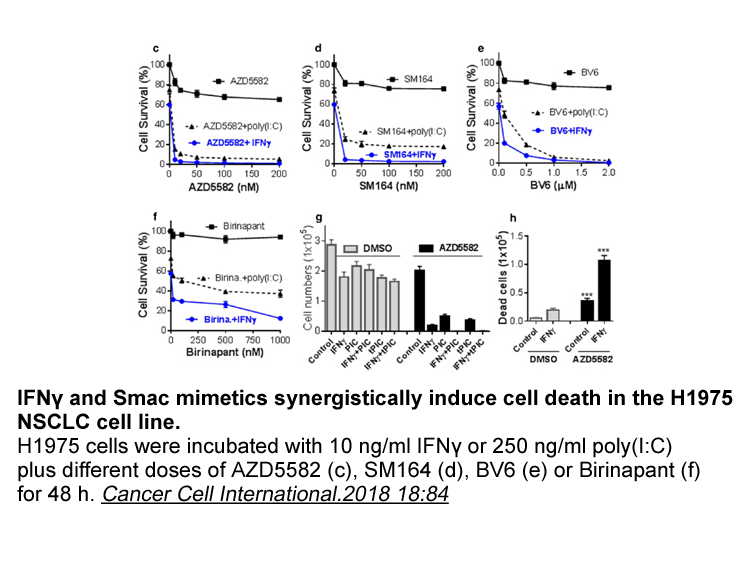
The electroconductive or electrocatalytic properties of conductive moieties including polymers in combination with carbon or metal-based nanomaterials have also been explored. For example, Dong et al. (2017) developed a portable electrochemical immunosensor by creating a film of Prussian blue chitos
Compound containing dimethylglutarimide P cap P propyl
2022-08-26
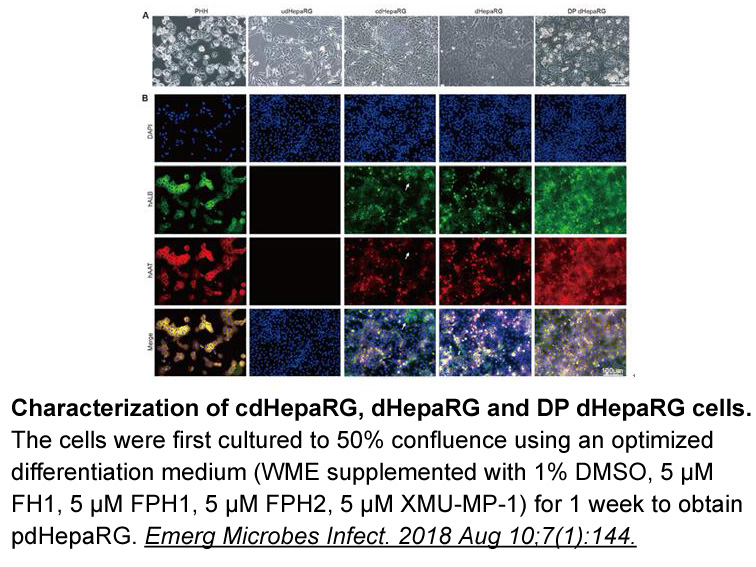
Compound containing, dimethylglutarimide P-cap, P propyl group, α-methylbenzyl urea resulted in inhibitor with much improved binding (=0.064μM) and EC=0.3μM. This was an aza-peptide analog with an EC comparable to our first generation clinical candidate . Analog was evaluated for its selectivity aga
Stimulation of GC A by CNP was further
2022-08-26

Stimulation of GC-A by CNP was further corroborated by using a cGMP enzyme immunoassay. We could show that CNP significantly stimulated cGMP synthesis in the GC-A reporter cell line. CNP stimulation resulted in similar maximal cGMP levels compared to stimulation by ANP and BNP. Therefore, by lumines
As comparators compounds and were made using the
2022-08-26
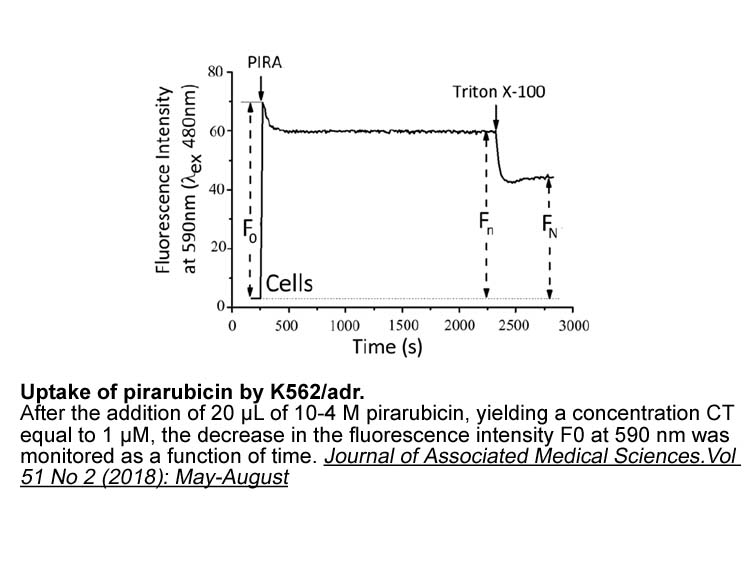
As comparators, compounds and were made using the pyrazolopyridine core with the CF triazole attached. The 2-fluorophenyl group was replaced with the methylpyrimidine in compound . The potency of these compounds were very good and compound looks attractive from a physicochemical perspective as it
In addition for the function of GSNOR
2022-08-26
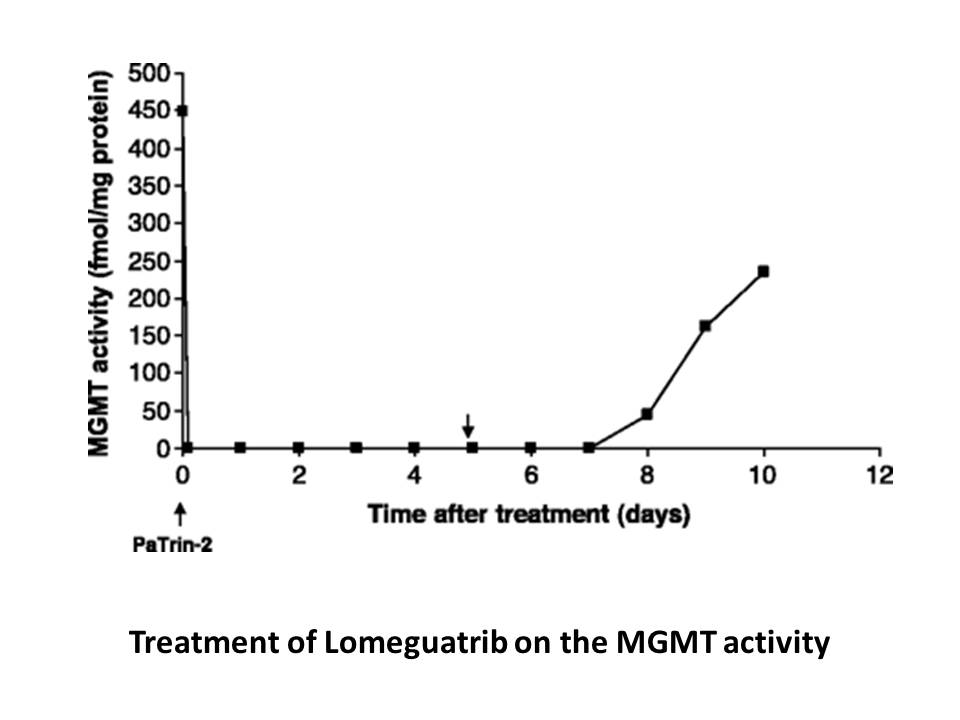
In addition, for the function of GSNOR in brain, since GSNOR is the sole alcohol dehydrogenase isozyme in brain, the failure to detect ethanol dehydrogenase activity poses a problem if it is assumed that this enzyme has evolved and developed as a protective mechanism for ethanol detoxification in th
8047 records 404/537 page Previous Next First page 上5页 401402403404405 下5页 Last page