Archives
- 2026-10
- 2026-09
- 2026-08
- 2026-07
- 2026-06
- 2026-05
- 2026-04
- 2026-03
- 2026-02
- 2026-01
- 2025-12
- 2025-11
- 2025-10
- 2025-02
- 2025-01
- 2024-12
- 2024-11
- 2024-10
- 2024-09
- 2024-08
- 2024-07
- 2024-06
- 2024-05
- 2024-04
- 2024-03
- 2024-02
- 2024-01
- 2023-12
- 2023-11
- 2023-10
- 2023-09
- 2023-08
- 2023-07
- 2023-06
- 2023-05
- 2023-04
- 2023-03
- 2023-02
- 2023-01
- 2022-12
- 2022-11
- 2022-10
- 2022-09
- 2022-08
- 2022-07
- 2022-06
- 2022-05
- 2022-04
- 2022-03
- 2022-02
- 2022-01
Analyzed by qRT PCR Fig the variation
2023-03-27

Analyzed by qRT-PCR (Fig. 8), the variation of the expressions of DtACLA and DtACLB was fairly consistent in response to nitrogen deficiency, suggesting that DtACLA and DtACLB may be coordinate to function in the catalysis. It was reported that in Arabidopsis, the coordinated ACLA and ACLB mRNA accu
br Introduction In the past
2023-03-27
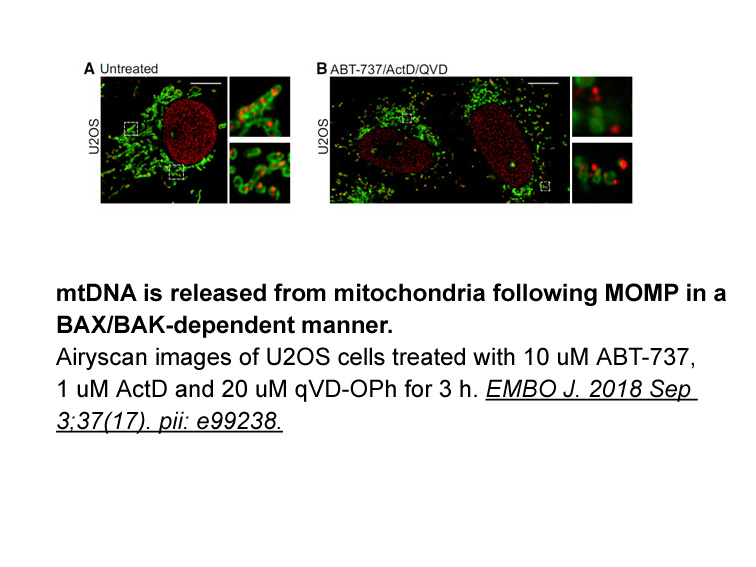
Introduction In the past two decades, graphene and graphene based nanomaterials with unique physicochemical properties have attracted great attentions in many fields including biomedicine and biotechnology. Graphene oxide (GO) and its derivatives have shown promising potential as biological and c
Recent studies have demonstrated that in
2023-03-27

Recent studies have demonstrated that in response to IR, hundreds of substrates are phosphorylated in an ATM-dependent manner, clearly demonstrating the complexity of the ATM-mediated DDR pathways (Matsuoka et al., 2007, Bennetzen et al., 2010, Bensimon et al., 2010). However, evidence suggesting th
It has been reported that Daxx an interacting partner
2023-03-27
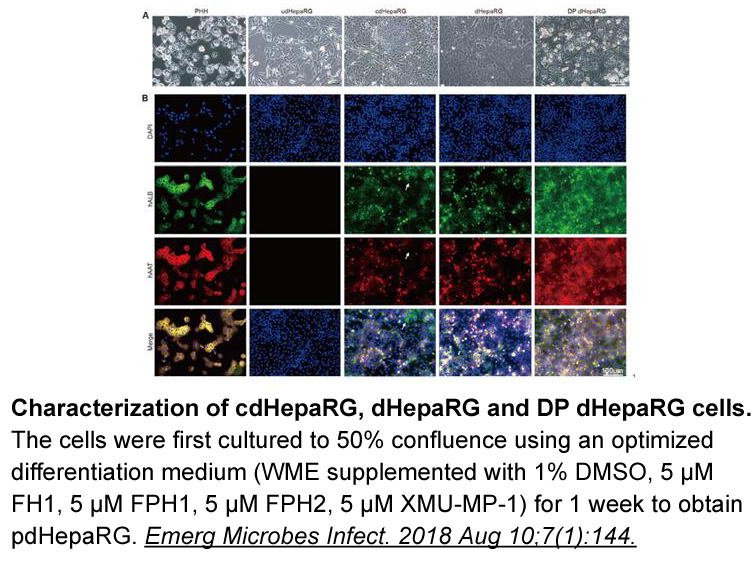
It has been reported that Daxx, an interacting partner of MCRS2/MSP58, promotes ASK1 activation following direct interaction with ASK1 [10], [11]. However, it has not been determined whether MCRS2 is involved in ASK1 signalling. In this study, we identified the direct interaction between MCRS2 and A
The glutamate receptors are important to the
2023-03-22
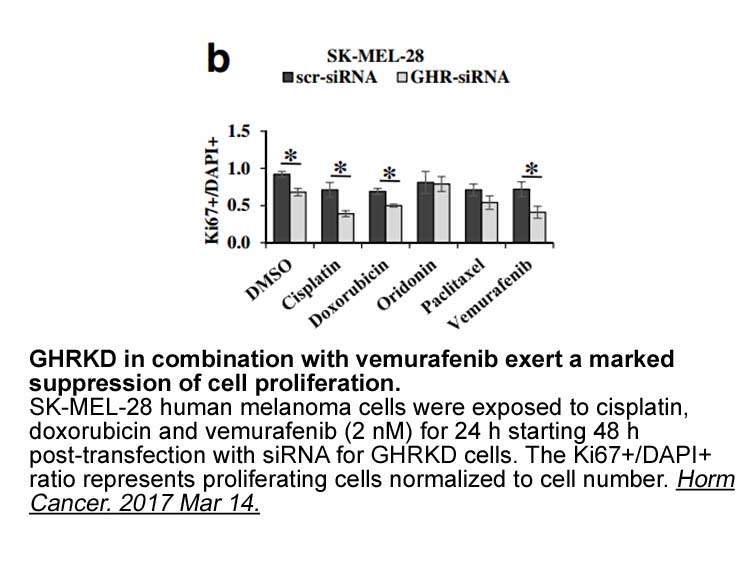
The glutamate receptors are important to the glioma treat from escaping the excitotoxicity under physiological conditions. There are three subtypes of ionotropic glutamate receptors, including NMDA, kainate, and AMPA receptors, which are relating to diverse Ca2+ permeability. Glioma cells also expr
5-Methyl-CTP A limitation of the NIA AA recommendations
2023-03-22
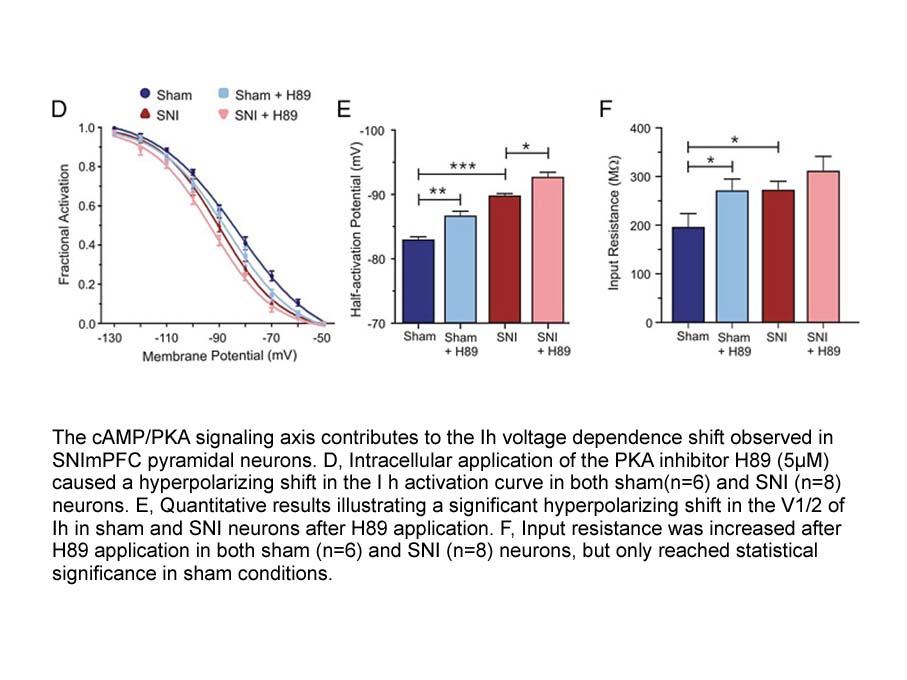
A limitation of the 2011 NIA-AA recommendations was that biomarkers were grouped into just two categories—amyloid and tau-related neurodegeneration. Tauopathy and neurodegeneration were placed into the same biomarker category. In persons with only AD, it is reasonable to assume that neurodegeneratio
br Pathophysiology of Alzheimer disease
2023-03-22
Pathophysiology of Alzheimer disease Alzheimer disease is characterized by severe neurodegeneration, neuroinflammation, and progressive loss of cognitive abilities. The diagnostic criteria for dementia released by the National Institute on Aging-Alzheimer's Association define dementia as the deve
ALK fusion positive NSCLC is clinically actionable because i
2023-03-22
ALK fusion-positive NSCLC is clinically actionable because it can be targeted by several FDA-approved drugs, including the first generation TKI crizotinib, which is a dual inhibitor to MET and ALK [15], and the second generation inhibitors, alectinib and ceritinib, both of which are highly-selective
Notably both circulating adiponectin and adipsin were equall
2023-03-22
Notably, both circulating adiponectin and adipsin were equally diminished by about 50% in Arfrp1 mice consistent with several studies reporting overlapping trafficking routes for their secretion from 3T3-L1 psoralen mg which was strikingly inhibited upon ablation of TfR-positive endosomes [18,26,33
Nutritional factors affecting ASD have also
2023-03-22
Nutritional factors affecting ASD have also recently received attention. An increase in postsynaptic zinc (Zn) level induced by clioquinol (a Zn chelator and ionophore), and the subsequent activation of NMDA receptors through the tyrosine kinase Src, rescued social interaction in Shank2−/− mice (Lee
It has been reported that leukotrienes and their receptors e
2023-03-22
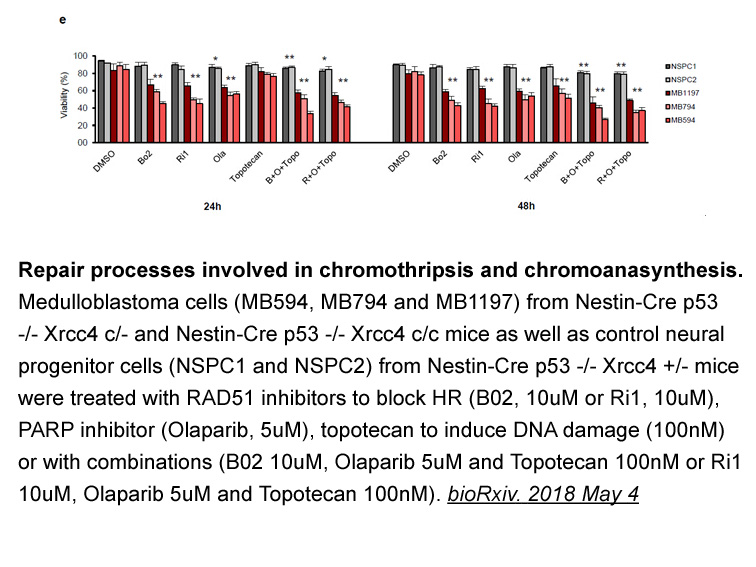
It has been reported that leukotrienes and their receptors, e.g. the cysteinyl leukotriene receptor 1 (CysLT1) may promote aminopeptidase inhibitor injury (Ding et al., 2007) and that increased 5-LOX expression and activity lead to production of brain-toxic molecules (Khan et al., 2010). However, d
The role of DHT in early
2023-03-22
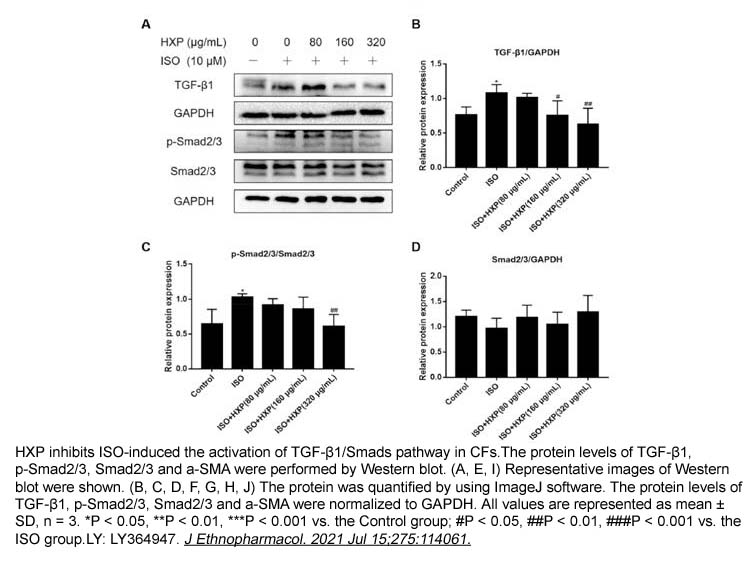
The role of DHT in early teleost embryogenesis is not entirely clear or established, however additional studies that treat fish embryos to DHT or to specific srd5a inhibitors at critical stages of development (i.e. prior to sex differentiation) will shed light on the early functions of this androgen
The introduction of a pyrazole moiety into
2023-03-22
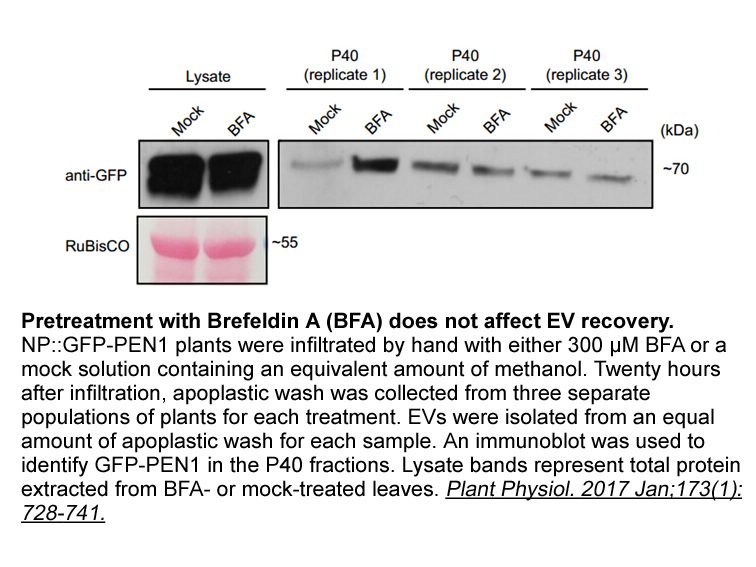
The introduction of a pyrazole moiety into any position of the sterane core by cross-coupling reactions [13] or by Knorr construction from a CCC bis-electrophilic sterane precursor and an N,N binucleophile building block [17], [19] may serve as an example. Very few reports are to be found, however,
The first description of autophagy as a
2023-03-22
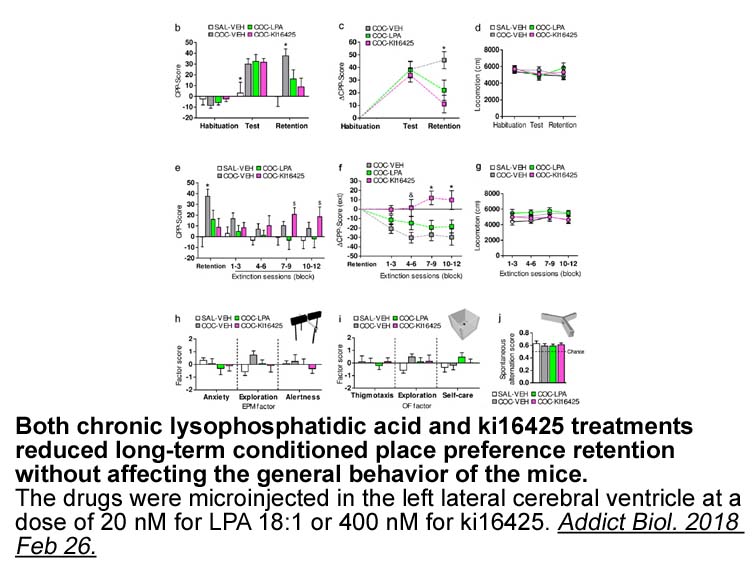
The first description of autophagy as a tumour suppression process arises from the observation that the initial step regulatory gene, Atg6/BECN1, was monoallelically lost in 40% to 75% of human prostate, breast, and ovarian cancers [31]. However, while BECN1 heterozygous mutant mice develop, with lo
Fig summarizes the oxidative metabolism of arachidonic acid
2023-03-22
Fig. 1 summarizes the oxidative metabolism of arachidonic Cy3 azide receptor by lipoxygenases cyclooxygenases and cytochrome P450. Lipoxygenases in humans are expressed in a tissue-specific fashion: 5-LOX is mainly expressed in leukocytes, 12-LOX in platelets, and 15-LOX-1 in reticulocytes, eosino
8046 records 344/537 page Previous Next First page 上5页 341342343344345 下5页 Last page